

Learn the ins and outs of an electrical certificate of compliance: why it's necessary, who needs one and who can issue it.
Many homeowners don’t think too much about an electrical certificate of compliance (COC) until they receive an offer to purchase their property, but the document is more than an item to cross off a checklist. At its core, the COC is a confirmation of safety, and it’s more important than you may think at first.
If you’re leasing a property or planning any additions – like solar or a generator – or alterations to your existing electrical installation, then you’ll also need to know more about the certificate.
What the COC is, when you’ll need one and who can issue it are just part of the need-to-know. We’ll also explain the validity period, what happens if your installation fails the assessment and how to check whether the COC is genuine.
What Is an Electrical COC?
An electrical COC is a legal declaration that, at the time of inspection, a property’s electrical installation is compliant with South Africa’s national safety standard under the Occupational Health and Safety Act. Simply put, it’s a confirmation of electrical safety that applies to residential, commercial and industrial properties.
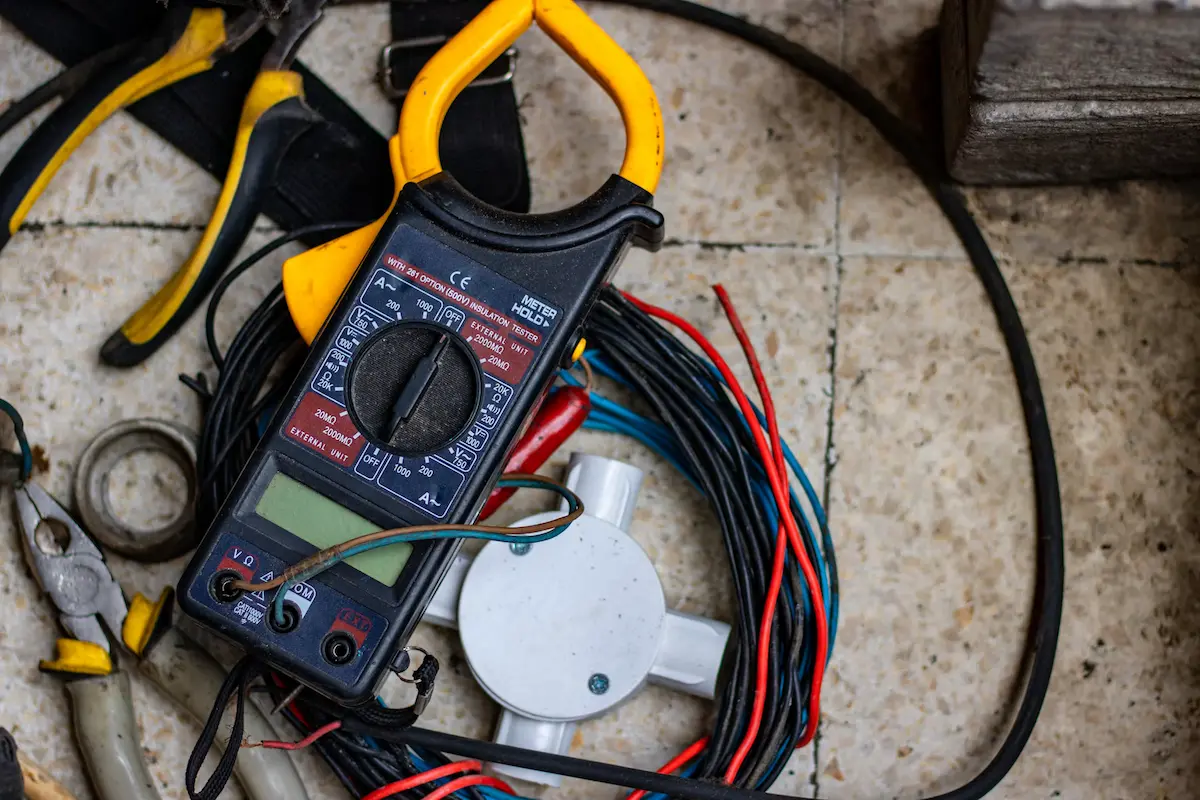
A qualified electrician will perform a detailed inspection of the entire electrical installation and test the bonding of metal pipes, insulation resistance, trip times on the earth leakage and more. To pass the assessment, everything must meet the compliance standards set out by SANS 10142-1 regulations (the national standard and wiring code for low-voltage installations).
If all goes well, the electrician will issue a one-page document, along with a test report that serves as a record of the inspections and tests done on the property. The annexures may include photos and wiring diagrams.
When Do You Need an Electrical COC?
Selling a property is a common reason for acquiring an electrical COC, but it’s not the only one. New developments, renovations, alterations and additions to the electrical installation also require a COC. In some cases, such as when you connect to a new electricity supply or request a meter change, the municipality could ask for one.
When Selling or Letting a Property
When you’re selling a property, there are five compliance certificates you’ll need, one of which is an electrical COC. Without one, the property can’t be transferred, and banks can refuse to release bond funds or suspend bond approval.
Lessors also have a responsibility to ensure the electrical installation is safe for tenants, whether the property is commercial, industrial or residential. If you’re a landlord or real estate agent, keep an eye on the COC. Before leasing to a new tenant, check when the certificate was issued and ensure that any recent work has been followed by a supplementary COC.
If you’re renting a property, it’s a good idea to ask for a copy of the latest electrical COC.
The law specifies that “a user or lessor” of an electrical installation is responsible for the safety and maintenance of the installation. While the landlord or property owner is primarily responsible for safety and compliance, the lease agreement can transfer that responsibility to the tenant. This happens when the rental agreement stipulates that the tenant will be liable for any upkeep or maintenance.
After New Work, Additions and Alterations
If you renovate your house, an office space or an industrial premises, you’ll need a COC supplement if there were changes to the existing installation. Electrical work like adding solar, an inverter, another DB board, a geyser or new plugs or lights would also require one.
Legally, the supplement can’t be issued unless the property as a whole has been issued a COC. If you’ve been living on your property for decades now, maybe since before an electrical COC became compulsory under law in 1992, then you may not have one. If you decided to install solar, for instance, you’d then need a COC for the property as a whole.
Before Insurance Claims
The electrical COC can make or break an insurance claim. Consider an example: An electrical fault, like a loose breaker, generates intense heat that gradually builds up to a visible flame.
Perhaps you get lucky and catch it early. Maybe not. Either way, the damage is done, and now it’s a problem for your insurance provider. But what happens when they ask to see the COC for your property, and you don’t have one? Or what if you do, but the issuing electrician signed off on non-compliant work?
Usually, that leaves you with a denied claim and a hefty invoice for the repairs and damaged contents. The takeaway: Make sure you have a valid COC if you’re planning on taking out insurance on a property.
Who Can Issue an Electrical COC?
A qualified, Department of Labour-registered electrician who personally carries out the inspection on the premises can issue an electrical COC. The electrician also needs to be a licensed electrical tester for single-phase, a installation electrician or master installation electrician.
It’s illegal for a registered electrician to issue a COC on behalf of an unregistered electrician. The contractor has to carry out the tests personally.
Why This Matters
In October 2025, the Department of Employment and Labour issued a notice regarding an increase in complaints from homeowners in the Free State about non-compliant installations. These homeowners were issued with a COC during the property transfer, but later discovered that the electrical installations didn’t meet legal standards.
In these instances, the seller is accountable for rectifying the defects and must pay for a new COC; there’s also the risk of legal action for non-compliance with the Occupational Health and Safety Act.
Although the Free State is almost 1,000 km from George, it’s worth heeding the warning and making sure your COC comes from a properly qualified electrician.
What Does an Electrical COC Inspection Check?
An electrical COC inspection involves both a visual assessment and electrical testing using calibrated equipment. Only fixed installations are covered, not portable appliances.
Part of what’s assessed includes:
- the distribution board, checking for signs of overheating or damage, correct labelling of circuit breakers and that the correct breakers and switches are used
- earth leakage unit, testing trip sensitivity, trip time and functionality
- plug points, socket outlets and lighting circuits
- condition of wiring, switches and fixed appliances
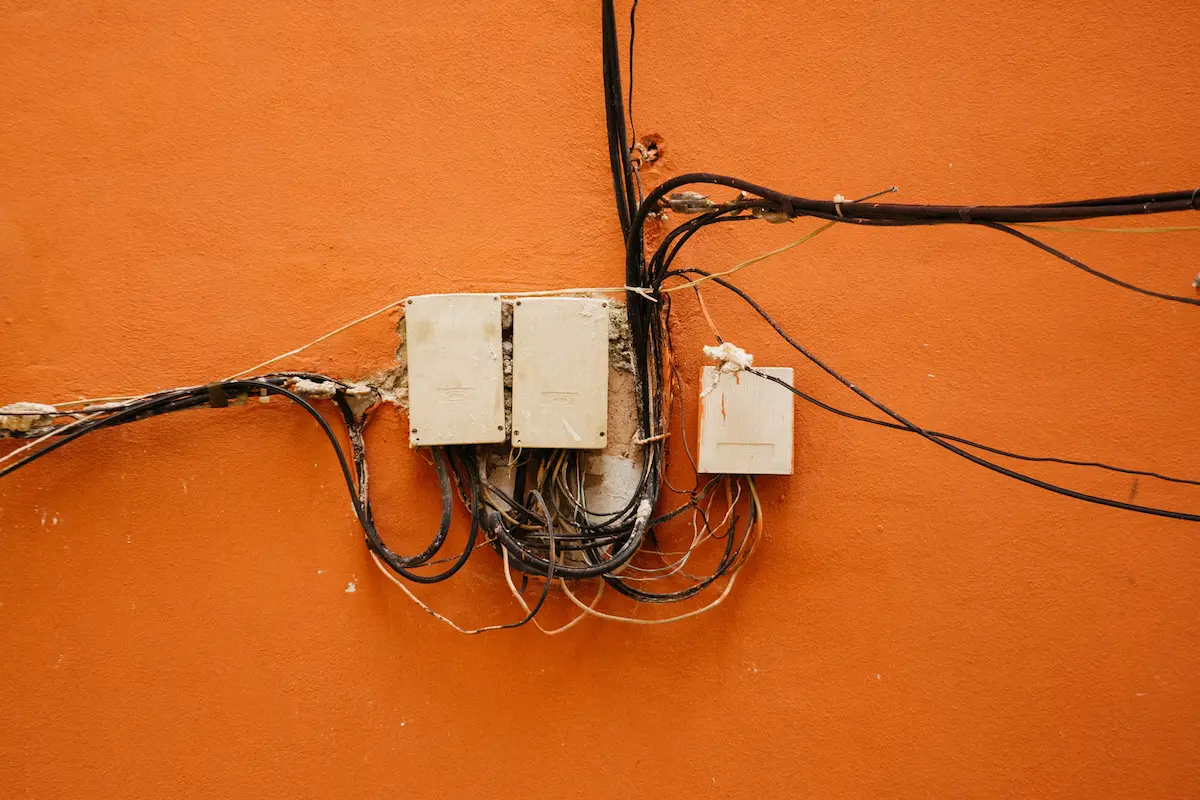
- visible wiring, looking for exposed cables, overloaded circuits and poor workmanship
- general safety inspection, checking for missing covers, exposed live parts, unsafe modifications
The test report should record specific values and measurements, such as insulation resistance, bonding-continuity resistance, earth leakage performance, polarity and operation checks, and voltage and supply.
What Happens If Your Installation Fails the Inspection?
If your installation fails the inspection, the COC won’t be issued until the necessary work has been completed. The electrician conducting the test will walk you through everything that needs to be done, and you’ll get a written report listing the items that don’t comply.
Small faults can usually be fixed on the spot; for bigger repairs, you’ll get a quote breaking down the necessary electrical services. Once everything’s sorted, the COC can be issued.
How Long Is an Electrical COC Valid?
There are two rules to know. Firstly, as long as there are no alterations or additions to the electrical installation, the COC is valid indefinitely.
However, it’s different for changes of ownership. If you sell your house or another property, the electrical COC has to be no older than two years. That stipulation comes from the Occupational Health and Safety Act.
If you have a COC but it was issued over two years ago, you’ll need a new one if you sell your house. The transfer won’t go through without one. Alternatively, if you were issued a COC less than two years ago but have since had work done, like adding solar, then you’d need to ensure that you have a COC supplement.
How to Check That a COC Is Genuine and Your Electrician Is Registered
If in doubt about the electrician, you can ask for proof of their credentials, such as a Department of Employment and Labour registration number or their wireman’s licence category. The Electrical Conformance Board of South Africa may issue a physical card or certificate, but the official legal proof is the Department registration.
When it comes to the COC itself, make sure it has a unique, traceable number. Also check the report: Are all the sections completed, and have most of the test-report sections been completed?
Lastly, double-check that the report has been signed by the electrician who carried out the inspection and that they included their registered-person and contractor licence numbers.
Practical Tips to Protect Yourself
These avoidance strategies can protect you from legal exposure or liability further down the line:
- Don’t accept a low-cost certificate from an unregistered contractor.
- Keep the certificate along with the test report – insurance providers may ask for supporting documents. Make digital backups too.
- Request new inspections following alterations or additions to the electrical installation.
- If you’re a landlord, request a new COC every two years to ensure that the property meets safety regulations.
Need a COC in George? What to Expect When You Book Amped
Let’s get that COC sorted. At Amped, we bring expertise, a team of licensed and certified electricians, and a customer-forward approach. If anything doesn’t pass muster during the inspection, we’ll explain what we found and how to fix it, and we’ll provide a clear, itemised quote.
Get in touch for a free quote or send us a message on WhatsApp.
Frequently Asked Questions
Getting an electrical COC is simple: Call out a qualified, registered electrician to inspect and test your property’s electrical installation. If everything’s above board, you’ll be issued a COC. If not, the electrician will advise on remedial work and how to get that certification.
If there are no issues, the on-site inspection can take between 45 and 90 minutes, and the final report should be with you within 24 hours. Any repair work will depend on what needs to be done, but the attending electrician will provide a clear timeline following the inspection.
There is a two-year rule for property sales that stipulates that the transfer can’t be finalised if the COC is older than two years. If there’s no change of ownership, the COC is valid indefinitely as long as there are no alterations or additions to the electrical installation.
Landlords must be in possession of a valid electrical COC, along with the accompanying report. A tenant has the right to ask to see it. If the lease agreement transfers the responsibility for electrical safety to the tenant, this needs to be clearly explained.
If the installation was built before 23 October 1992, and if there were no changes of ownership after 1 March 1994, as well as no alterations or additions to the electrical installation, then no. The installation wouldn’t need a COC in this case.
You can get an electrical COC right here with Amped. Our team of electricians is licensed, properly registered, and qualified to sign off on a COC following the relevant tests and property inspection.